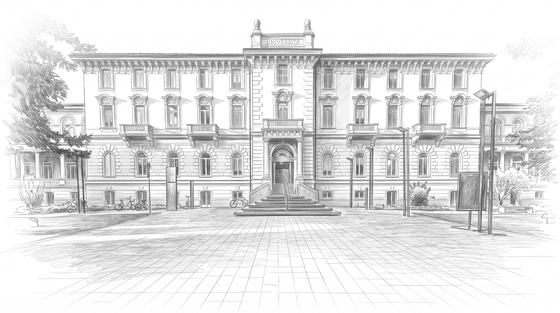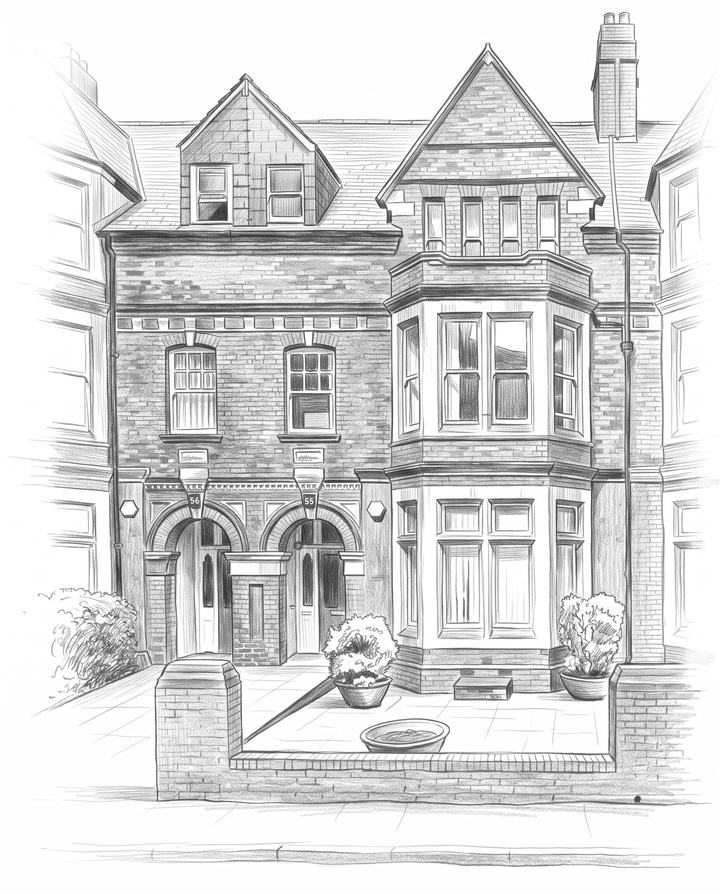
Pencil drawing of a Victorian red-brick villa with bay windows and arched doorways, 55 Park Place, Cardiff
Academia · where I have studied and worked

A Pathway Through Places

Llwybr drwy Leoedd

Every place in this story has its own pencil drawing. Read down the page and you follow my route through education and research: part-time and distance study, an MSc in mid Wales, a doctorate in a business school, solar research in North Wales, and a decade of energy and critical materials work in Birmingham. I was the first in my family to go to university.

Names in the text link to their records. The year rail follows you as you read; select a bar to jump to that place. For the whole record on one chart, see the full academic timeline and the research projects timeline.

I

Foundations 2004–2009

Part-time and distance study: technology, design and engineering.

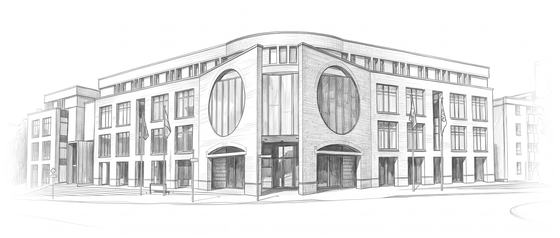
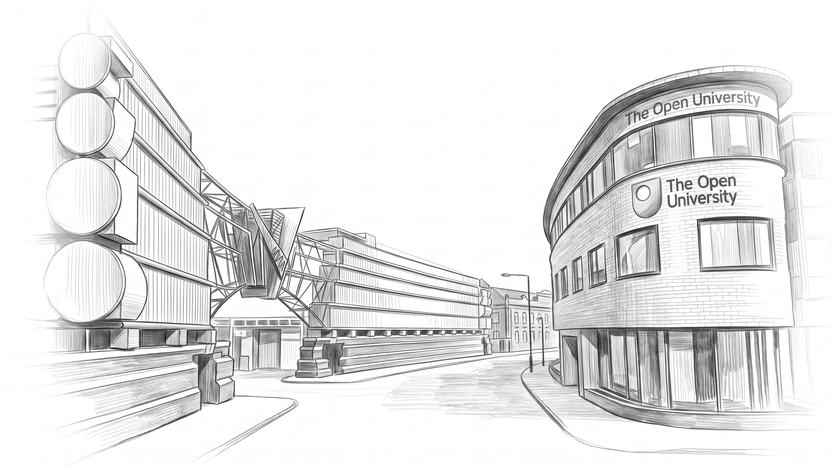
Pencil drawing of the Open University's London regional centre, a curved building with the OU sign, beside the egg-cup towers of the neighbouring building
The Open University's London regional centre
2004–2009studiedcollaborated

The Open University

Hawley Crescent, London, UK

I didn't think that university would be something for me, and at 16 I left school and went out to work.

I went to the Open University in Hawley Crescent, just round the corner from Camden Town tube station, with my grandfather James, to ask about studying with them. At first they were reluctant because of my age, but after I protested with their own words, "open as to ideas, open as to people", they agreed to let me start, on a reduced load to begin with. Once I had passed those first courses, the staggered start of programmes let me make up time, studying year-round, and I finished the BSc (Hons) in Technology (2004–06, upper second class honours) in the same time as a student at a conventional university. At my graduation the OU told me I was their youngest graduate.

As a child, in the days of analogue TV with four channels, I would get up early to watch cartoons, invariably before they started, and end up watching the Open University on the BBC until TV-am came on. So it was a funny juxtaposition to turn the corner into Hawley Crescent and see the Open University opposite the TV-am building, side by side, much as they had been in the TV Times. Having caught the bug, and enjoying the format, I stayed with the OU for a Diploma in Design and Innovation (2005–06) and a BEng (Hons) in Engineering (2007–09), and later worked with OU research staff on a number of projects.
On the Academic Timeline
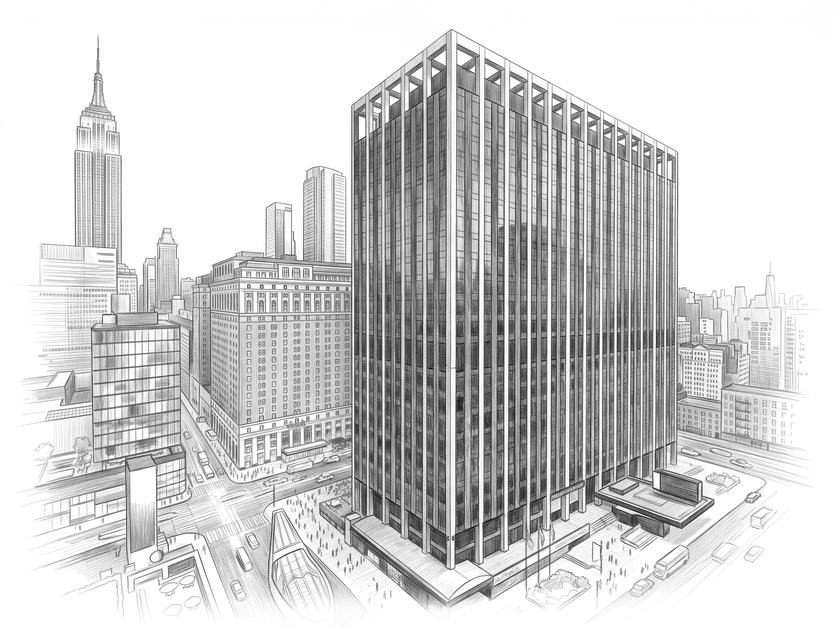
Pencil drawing of 2 Penn Plaza, a dark glass tower in New York, with the Empire State Building behind
2 Penn Plaza, New York, before its refurbishment, with the Empire State Building
2004–2010wrotevisited

McGraw-Hill Professional

New York, US

Alongside my studies I was writing. From 2004 to 2010 I was a technical author for McGraw-Hill Professional, at 2 Penn Plaza in New York, beside Madison Square Garden and in sight of the Empire State Building. I visited in 2005: they had no idea how old I was until I told them I was there for my birthday. It was in that meeting that we discussed what would become Solar Energy Projects for the Evil Genius. My books for them also included 50 Awesome Auto Projects for the Evil Genius, Build Your Own Car PC, and Evil Genius books on model rockets, fuel cells and holography. By 2006, at 19, the papers were writing about four books and an MSc. From 2009 to 2011 I also wrote for The Crowood Press.

On the Academic Timeline
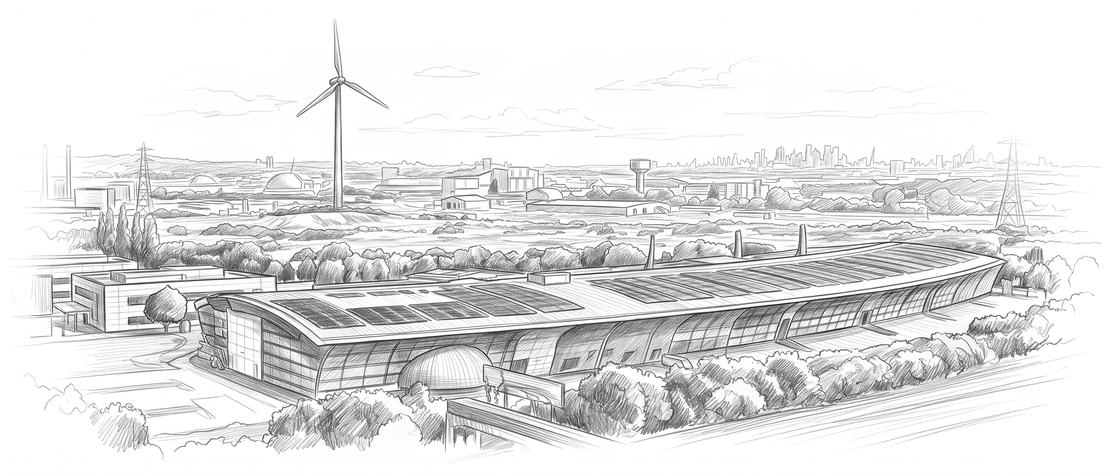
Pencil drawing of the long, low CEME building with a wind turbine on the skyline
The Centre for Engineering and Manufacturing Excellence
2005studied

Centre for Engineering and Manufacturing Excellence

London, UK

Having realised that leaving school at 16 to go out to work had been a mistake, I set out to make up lost ground. The Centre for Engineering and Manufacturing Excellence (CEME) had just been built in Dagenham, on land vacated by the Ford Motor Company. My father had trained as an apprentice at the Ford trade school, and my grandfather had worked on the jetty at the Dagenham factory. CEME was a brilliant, shiny new facility, and I was in one of its first intakes: an ONC in Manufacturing Engineering, an evening class in Performing Engineering Operations to learn metalwork and workshop techniques, and City and Guilds courses in 2D computer-aided design (NVQ Levels 3 and 4) through Havering College.

A cohort of retired, time-served engineers building live steam engines had always been allowed to use the college's workshops, but now could only do so if they were enrolled on a course. So I joined them in Level 1 metalwork, learning basic machining while they spent their "portfolio time" making steam engines of exquisite craftsmanship. I wanted a practical grounding. It was there, daydreaming in class, that I wrote to the University of East London about its MSc Architecture: Advanced Environmental and Energy Studies. The offer was confirmed the day before my 18th birthday.

On the Academic Timeline
II

Machynlleth 2005–2007

An MSc at the Centre for Alternative Technology.

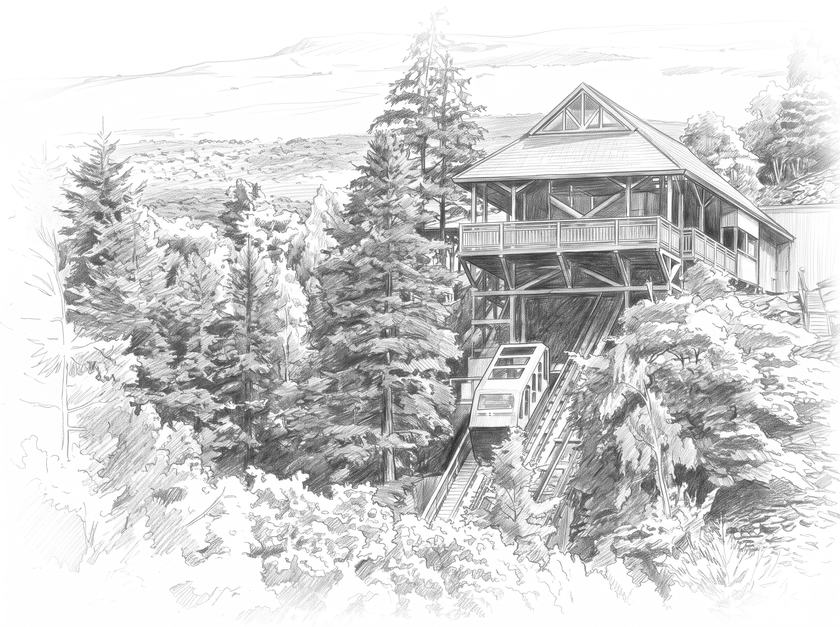
Pencil drawing of the cliff railway at the Centre for Alternative Technology, rising through pine trees to a timber station
The Centre for Alternative Technology: the cliff railway
2005–2007studiedresearched

Centre for Alternative Technology

Machynlleth, Wales

Given my age, and that I hadn't yet finished my first degree, I was told I could take a module here and there and see how I got on. In the end I focused on the academic courses, and some of the college courses I had started to "fill the gap" were cut short.

I can still remember the first time I came up the A487 and saw CAT's funicular railway rising majestically up the hill. There was something magical about it. The MSc in Architecture: Advanced Environmental and Energy Studies had been started at the University of East London by a lecturer, Mike Thompson, as a field trip to CAT. I joined in one of the first couple of years after it moved from UEL's campus to a block-release format at CAT (2005–07). That was before the Wales Institute for Sustainability Education was built, and before CAT took over the franchise of the courses from UEL to form its Graduate School of the Environment. In 2007 I also worked as a researcher on CAT's first Zero Carbon Britain report. Later, the University of East London recognised me as one of its 125 distinguished alumni in its 125th anniversary celebrations.

On the Academic Timeline
III

Widening the frame 2006–2012

Energy systems, hydrogen, a new language, enterprise, systems design and education.

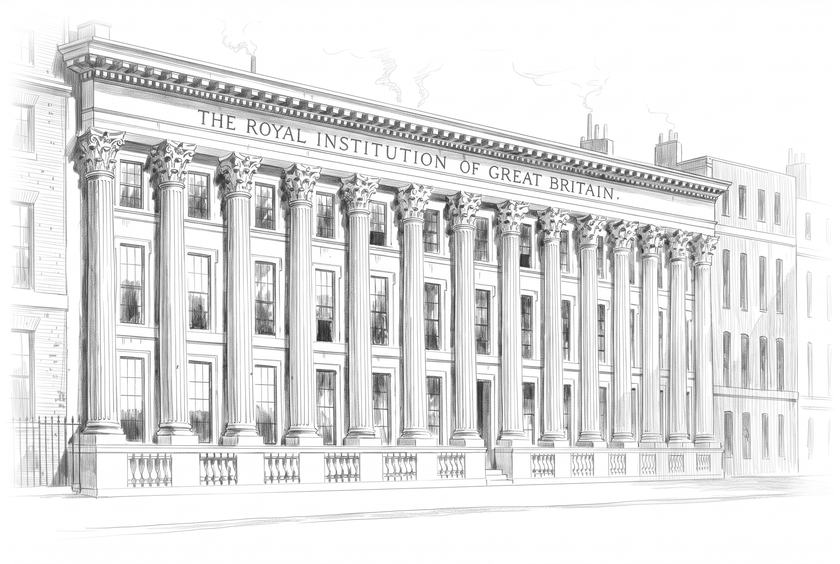
Pencil drawing of the Royal Institution's columned front on Albemarle Street, London
The Royal Institution, Albemarle Street
2006–2017lecturedtaught

The Royal Institution

London, UK

The Royal Institution on Albemarle Street has been a thread through my work. As a Faraday member of the RI I was an extra in the documentary Absolute Zero (2006), filmed in the lecture theatre where Michael Faraday lectured, and in 2007 I spoke at the EcoRally in London, an RI and IMechE initiative. In 2008 I wrote to Dr Diane Crann about the pilot Engineering Masterclasses the RI was running with the Royal Academy of Engineering, drawing on my Evil Genius books on solar energy and fuel cells. That began years of masterclasses, from Sydenham School in 2009 to hydrogen and fuel cells at Altrincham Grammar School for Boys in 2013, with the Celebration of Engineering in the Faraday Lecture Theatre in May 2009 along the way. In August 2015 I ran a Summer School workshop, "The Future of Mobility", in which students built hydrogen fuel cell cars. A decade after standing in Faraday's theatre, I became a Faraday Institution Research Fellow.

On the Academic Timeline
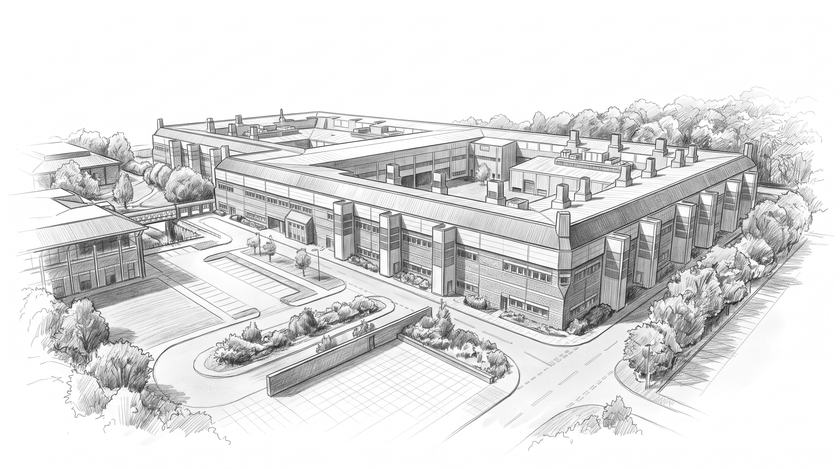
Pencil drawing, from above, of Holywell Park at Loughborough University, a large brick courtyard building set among trees
Holywell Park, Loughborough University
2007–2010studied

Loughborough University

Loughborough, UK

After studying at the Centre for Alternative Technology, I wanted to keep learning about renewable energy. Many of the engineers at Dulas, the company that spun out of CAT, had studied at Loughborough, and the Centre for Renewable Energy Systems Technology (CREST) course had a good reputation as a rigorous engineering course in renewable energy technologies. I was a seasoned distance learner by this point. The CAT course had finished, and although there was talk of research degree programmes at CAT, it didn't come to pass at that time, so I took on the MSc in Renewable Energy Systems Technology with Loughborough University (2007–10). It ran alongside my Open University engineering degree and the first years of my doctorate in Cardiff.

On the Academic Timeline
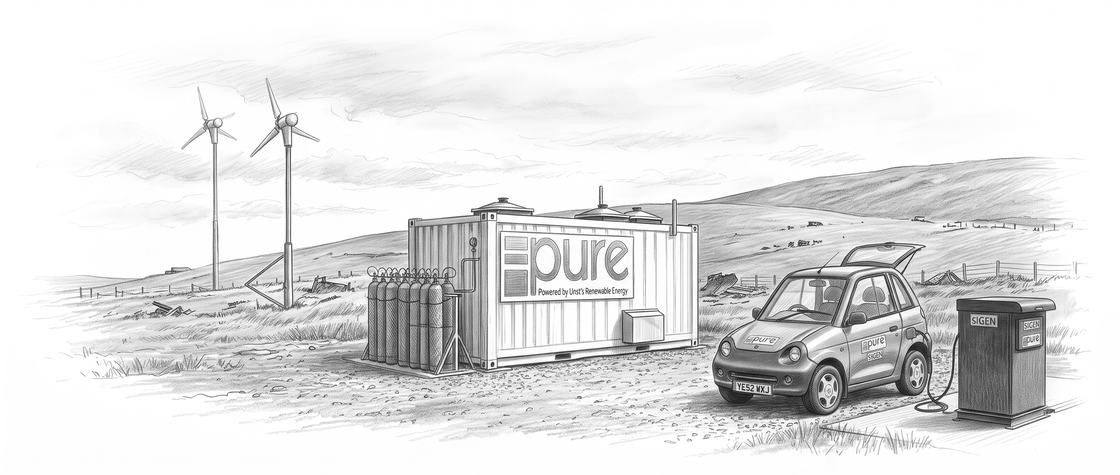
Pencil drawing of the PURE Energy Centre on Unst: a small cabin, an electric car at a charger and two wind turbines on the hill
The PURE Energy Centre, Unst
2008–2009studiedconsulted

PURE Energy Centre

Unst, Shetland, UK

I first met the PURE Energy Centre at the All-Energy conference in Aberdeen. I had written a proposal to McGraw-Hill for Fuel Cell Projects for the Evil Genius and wanted to learn more, so in 2008 I travelled to Unst, the most northerly of the Shetland Islands, for their short course on hydrogen and fuel cells. From 2008 to 2009 I worked for them as a consultant on hydrogen and fuel cell technology, representing the company at events abroad and working on their e-business strategy and web marketing.

On the Academic Timeline
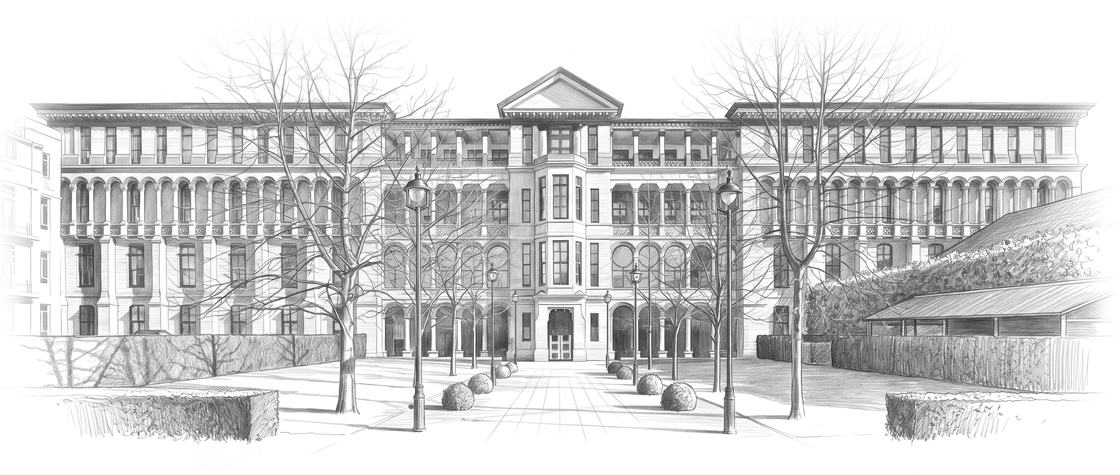
Pencil drawing of Cambridge Judge Business School, a long brick building behind bare trees
Cambridge Judge Business School
2009participanttaught

Cambridge Judge Business School

Cambridge, UK

In 2009 I went as a PhD participant to Enterprisers, the residential programme run by the Centre for Entrepreneurial Learning at Cambridge Judge Business School and led by Shailendra Vyakarnam at Cambridge and Neil Hartman at MIT, under the Cambridge-MIT Institute. In the feedback at the end of the week I suggested the team-building activity could be more engaging, and proposed a STEM model rocket activity to teach Belbin team roles. They invited me back, and I went on to teach on the programme at Stirling, Warwick and Cranfield, a university I already knew from a week-long course in complexity science in 2006.

On the Academic Timeline
Pencil drawing of Keele University's open plaza, with a clock tower and two round brick towers
Keele University
2010–2012studied

Keele University

Newcastle-under-Lyme, UK

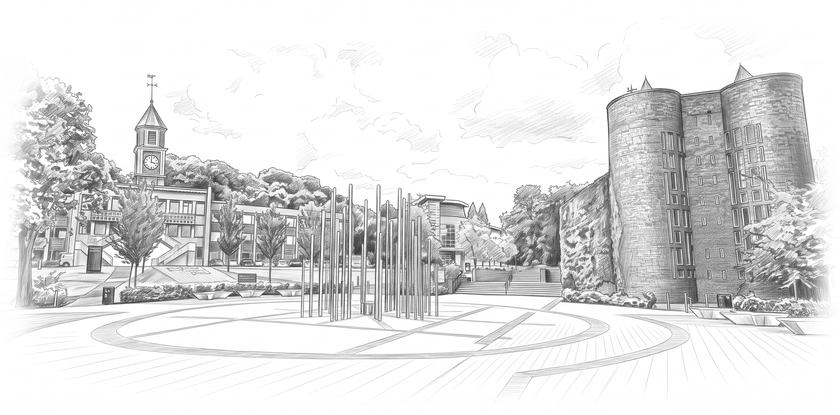
From 2010 to 2012 I studied for an MBA in Education at Keele University, alongside the final years of my doctorate. The drawing shows the campus's open plaza and the brick towers of the Chapel.

On the Academic Timeline
IV

Cardiff 2007–2014

A doctorate in a business school.

Pencil drawing of Cardiff Business School, a tall pale-brick block with bilingual signs
Cardiff Business School
2007–2014studiedresearched

Cardiff Business School, Cardiff University

Cardiff, Wales

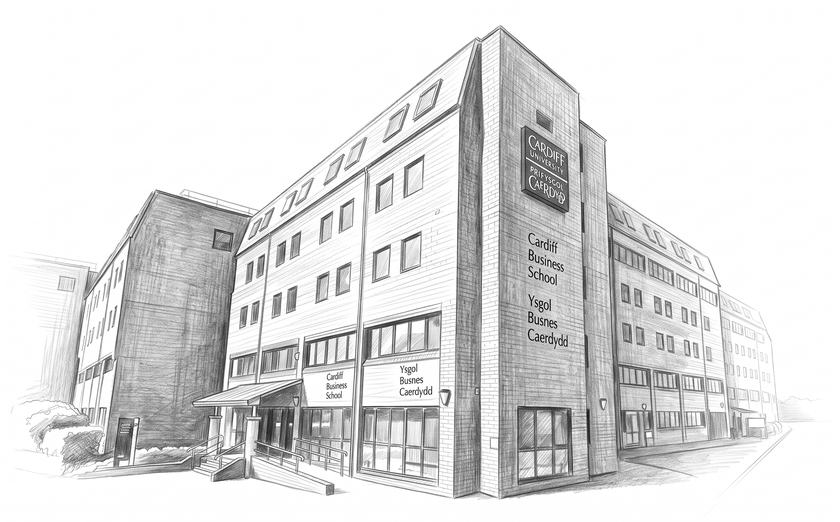
In 2007 I joined Cardiff Business School on an ESRC studentship: an MSc in Social Science Research Methods (Business Track) in 2007–08, then a PhD. The project, on the social, economic and political impacts of alternative vehicles and fuels, evolved into a thesis on business model innovation in bringing ultra-low emission vehicles to market. I submitted the thesis in April 2014 and passed in September 2014. Training came through Cardiff's Postgraduate Researcher Development Programme (2007) and the Vitae GRADSchool at Windermere (2011). From 2010 to 2014 I was also an affiliated research member of the Sustainable Places Research Institute.

On the Academic Timeline
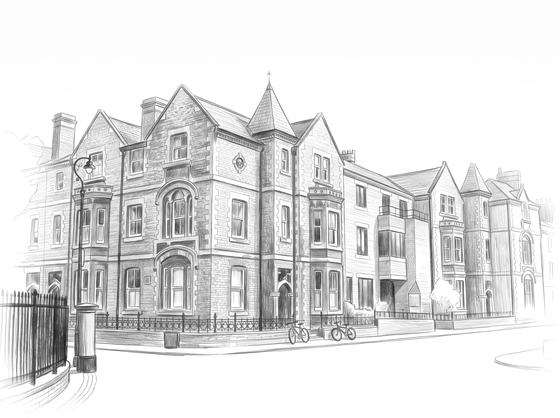
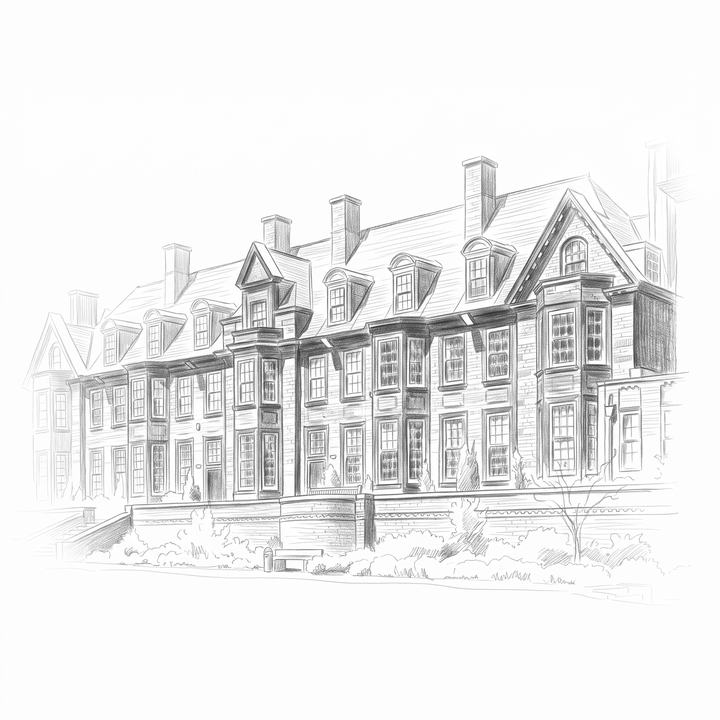
Pencil drawing of a Victorian red-brick villa with bay windows and arched doorways, 55 Park Place, Cardiff
55 Park Place, Cardiff: home of BRASS
2007–2013researched

BRASS, 55 Park Place

Cardiff, Wales

My doctoral home was the ESRC Centre for Business Relationships, Accountability, Sustainability and Society (BRASS), where I was a doctoral researcher from 2007 to 2013. The studentship that funded the MSc and the PhD came through BRASS. Its home was a Victorian villa at 55 Park Place. When BRASS's ESRC funding came to an end, its work moved into the university's Sustainable Places Research Institute, where I was an associate.

On the Academic Timeline
V

North Wales 2014–2017

Into solar energy research.

Pencil drawing of the OpTIC building in St Asaph, a glass-fronted block beside a long curved roof
The OpTIC building, St Asaph
2014–2017researched

Centre for Solar Energy Research, OpTIC

St Asaph, Wales

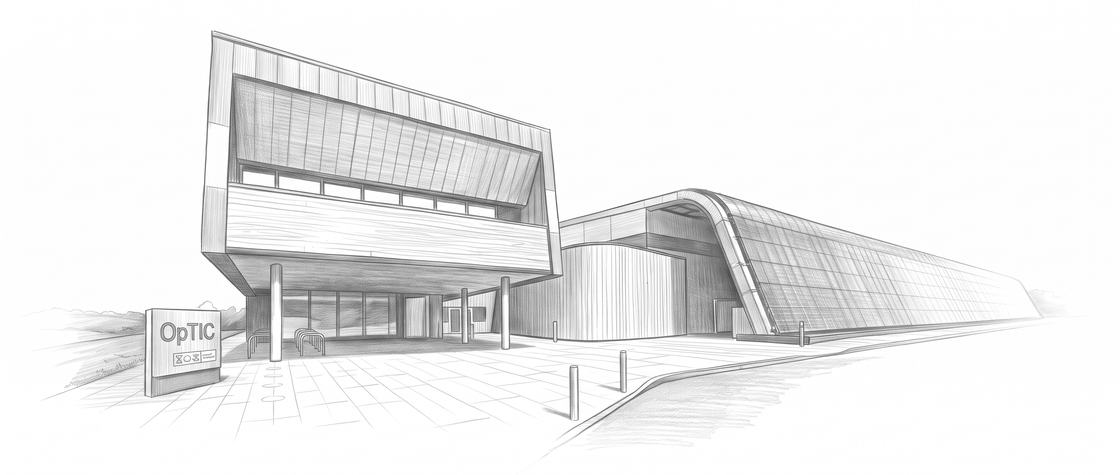
In April 2014 I joined Glyndŵr University's Centre for Solar Energy Research (the university is now Wrexham University), where my boss was Professor Stuart Irvine. I came in to provide maternity cover, leading the PV side of the Welsh Energy Sector Training (WEST) project: masters-level CPD courses on solar PV for industry across Wales. From November 2014 to January 2017 I stayed on as a Visiting Research Fellow. In 2014 I also took the Supersolar hub's course on research methods for solar PV at Aston University.

On the Academic Timeline
VI

Birmingham 2015–2025

Energy, then critical materials; short courses further afield.

Pencil drawing, from above, of the University of Birmingham's red-brick campus around the clock tower
The University of Birmingham campus
2015–worked

University of Birmingham

Birmingham, UK

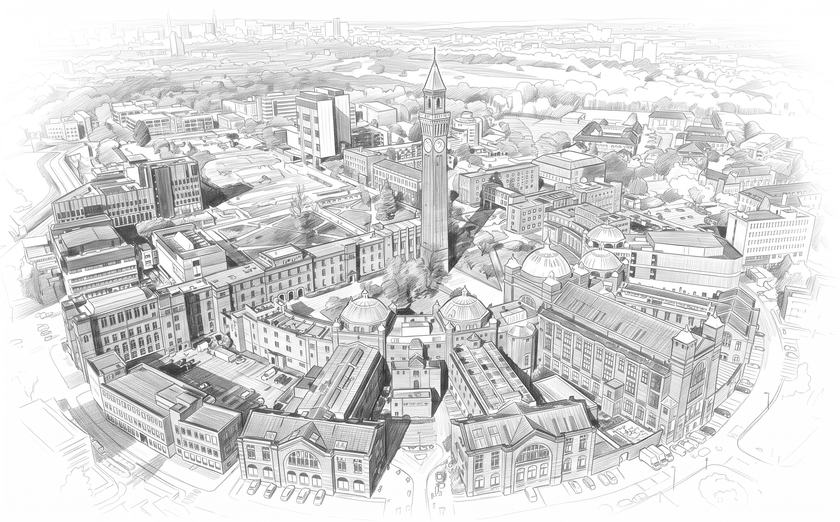
I joined the University of Birmingham in 2015 as Energy Development Manager at the Birmingham Energy Institute, a post I held until July 2018, with a year as Development Manager in the School of Physics and Astronomy from August 2017. From October 2015 to May 2016 I was also seconded part time to support the chief executive of the Energy Research Accelerator, and sat on its Development Board. In March 2017 I co-founded the Birmingham Centre for Strategic Elements and Critical Materials. I have also served as a Mace Bearer at the university's graduation ceremonies.

On the Academic Timeline
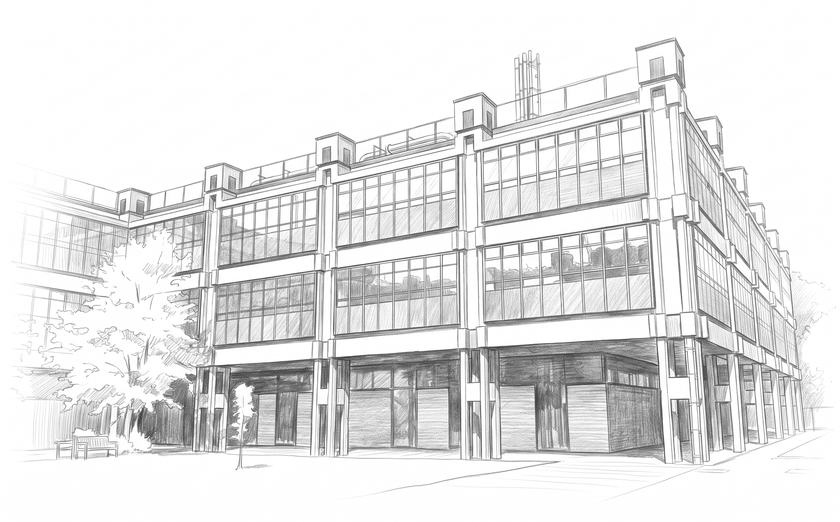
Pencil drawing of the School of Metallurgy and Materials, a 1960s concrete-framed building with long window bands
School of Metallurgy and Materials, University of Birmingham
2018–2025researchedco-founded BCSECM

School of Metallurgy and Materials

Birmingham, UK

As Energy Development Manager I helped other people's research find partners and funding, but I had the itch to go back into research myself, and to be an academic as well as a manager. At an event in the Physics Library in the School of Physics and Astronomy, my eyes ran along the shelves and caught a gold-embossed name on one of the spines: S. J. C. Irvine, my former boss at Glyndŵr. His PhD supervisor had been Professor Rex Harris, who also supervised Allan Walton, one of my fellow co-founders of the Birmingham Centre for Strategic Elements and Critical Materials.

In July 2018 I moved into research full time as a Faraday Institution Research Fellow in the School of Metallurgy and Materials, on the ReLiB battery recycling project. The Faraday Institution's training included lithium-ion battery safety (2019) and science communication (2020). In July 2021 I became Critical Materials Research Fellow, based in the school and the centre, until August 2025. I am also a Co-Investigator and Management Group member of Met4Tech, the UKRI Technology Metals Circular Economy Centre.

The centre, BCSECM, which I co-founded with Allan Walton and Paul Anderson, launched on 29 March 2017 after a year as a steering group. It works on the elements modern technologies depend on, and on how they can be supplied, used and recovered responsibly. Its milestones include written evidence to a House of Commons select committee proposing a UK elements strategy (2018–19), the Policy Commission "Securing Technology-Critical Metals for Britain", chaired by Sir John Beddington (2019–21), and the university's Outstanding Research Impact award in March 2026.

On the Academic Timeline
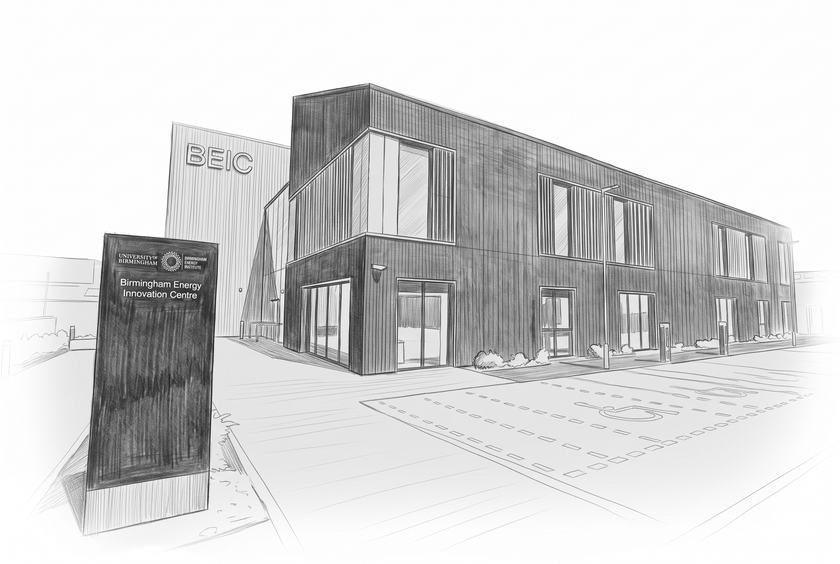
Pencil drawing of the dark-clad Birmingham Energy Innovation Centre with its BEIC sign
Birmingham Energy Innovation Centre (BEIC)
2017–workedresearched

Birmingham Energy Innovation Centre

Birmingham, UK

The Birmingham Energy Innovation Centre stands on Tyseley Energy Park. I drew the original concept diagram for Tyseley as an Energy Innovation Zone (2017–18) and organised the launch of Energy Capital in February 2017, two steps that led to the centre being built. It became home to the ReLiB project's work on robotic disassembly of lithium-ion batteries, and now to scaling up battery recycling. I have sat on its steering group since September 2021, and much of our critical materials work happens here.

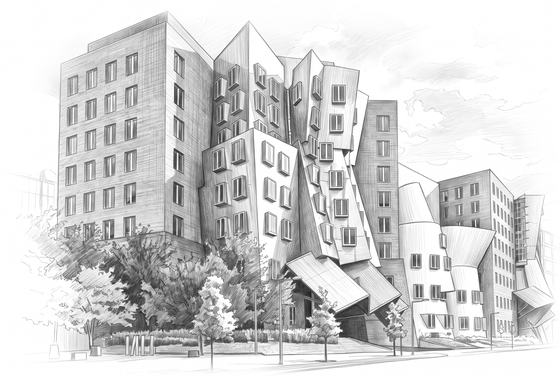
Pencil drawing of MIT's Stata Center, its tilted and curving forms beside a plain brick tower
2016–2017short coursevisited

Massachusetts Institute of Technology

Cambridge, Massachusetts, US

MIT Professional Education ran two of my short courses: Leadership Skills for Engineering and Science Faculty (2016) and Technology and Sustainability (2017). One was held in the Stata Center, Frank Gehry's building for MIT's Computer Science and Artificial Intelligence Laboratory (CSAIL). MIT had first come into my story through Enterprisers, a Cambridge-MIT Institute programme.

On the Academic Timeline
VII

Now 2025–

A business school again, Cambridge, and back to Wrexham and CAT.

Pencil drawing of Birmingham Business School's University House, a long gabled red-brick building
Birmingham Business School
2025–researched

Birmingham Business School

Birmingham, UK

In September 2025 I moved to Birmingham Business School, still as Critical Materials Research Fellow, and in November 2025 I became a Centre Associate of its Centre for Responsible Business. It brings the story back to a business school, where the doctorate began. I also represent the UK on the International Energy Agency's Experts' Group on R&D Priority Setting and Evaluation.

On the Academic Timeline
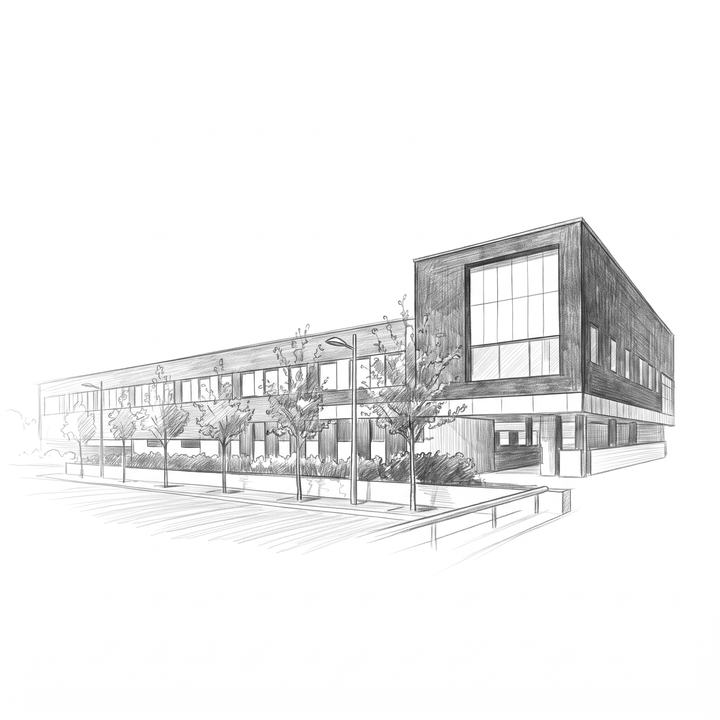
Pencil drawing of the Institute for Manufacturing, Cambridge, a dark-clad block with a tall glass window
Institute for Manufacturing, Cambridge
2025–research collaborator

Institute for Manufacturing, University of Cambridge

Cambridge, UK

Since October 2025 I have been an Academic Collaborator with the Industrial Resilience Research Group at the University of Cambridge's Institute for Manufacturing. Cambridge had come into the story once before, through Enterprisers in 2009.

On the Academic Timeline
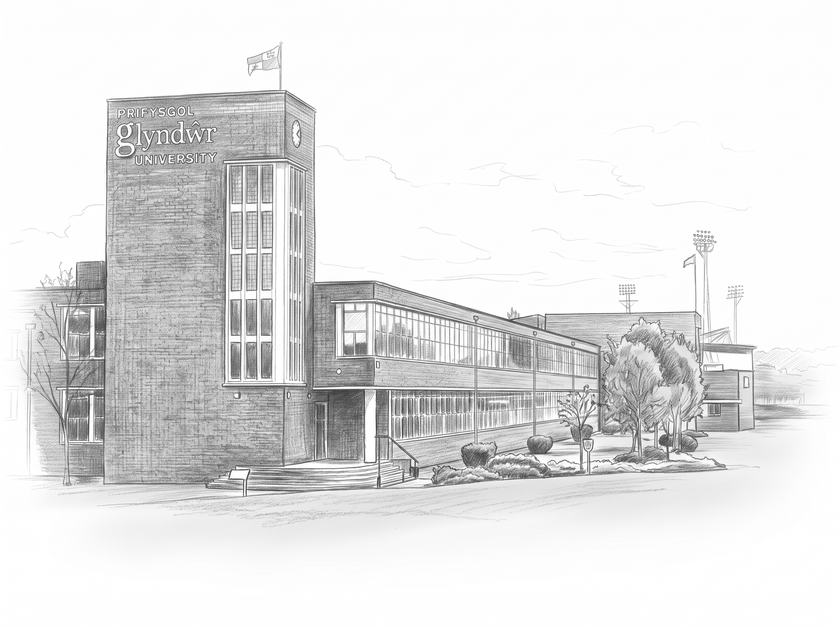
Pencil drawing of Wrexham University's brick tower and entrance, from the years when it carried the Glyndŵr name
Wrexham University
2025–external adviser

Wrexham University, again

Wrexham, Wales

I have stayed close to Wrexham University, where my solar research began when it was Glyndŵr. As the external member of its Research Committee I have watched its research capacity grow: I welcomed its 2030 strategy in February 2025, and in March 2026 congratulated it on gaining research degree awarding powers.

On the Academic Timeline
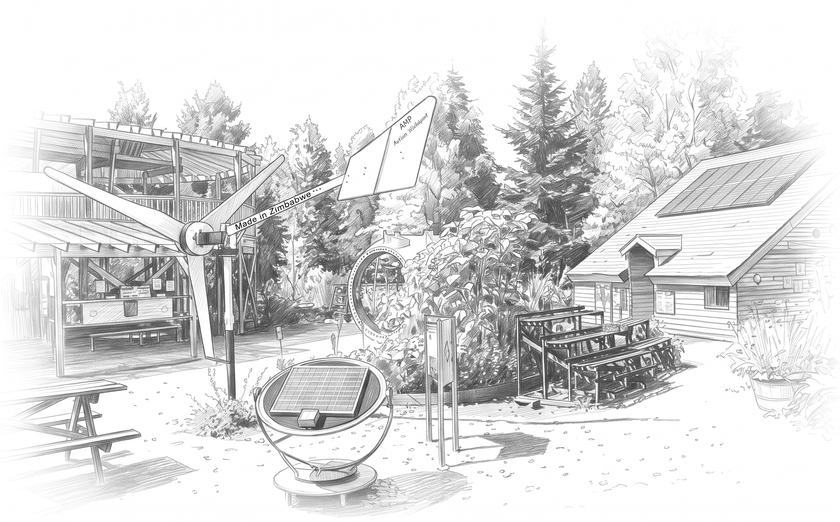
Pencil drawing of the courtyard at the Centre for Alternative Technology, with a small wind turbine, a solar tracker and timber buildings
The Centre for Alternative Technology: the courtyard
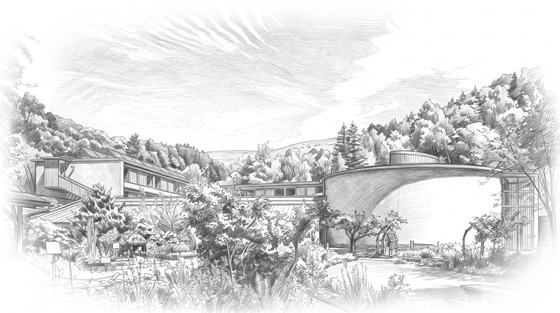
Pencil drawing of the Wales Institute for Sustainability Education at the Centre for Alternative Technology, set into a wooded hillside
The Wales Institute for Sustainability Education (WISE), CAT
2010–2014; 2026–contributortrusteeboard member

Centre for Alternative Technology, again

Machynlleth, Wales

I kept in touch with CAT after the MSc. In 2010 I reviewed and contributed to Zero Carbon Britain 2030, including its transport chapter. From December 2013 to October 2014 I was a trustee and director of the charity, and from April 2014 I sat on the trustees' Education and Training Sub-committee. Since July 2026 I have been a member of CAT's Development Board, so the story ends where much of it began.

On the Academic Timeline

The full record of courses and posts is on the Academic Timeline and the CV.